Research
Einbrain Lab
Research
Advancing XR for human–AI collaboration through embodied partners, multimodal performance assessment, and adaptive technical training.
Research priorities
Embodied, multimodal, and adaptive human–AI collaboration
As automation changes technical work, people need capabilities in system oversight, maintenance, diagnostics, safe human–robot collaboration, and exception handling. We engineer XR environments to investigate how people and AI develop these capabilities together.
-
01 · Highest priority
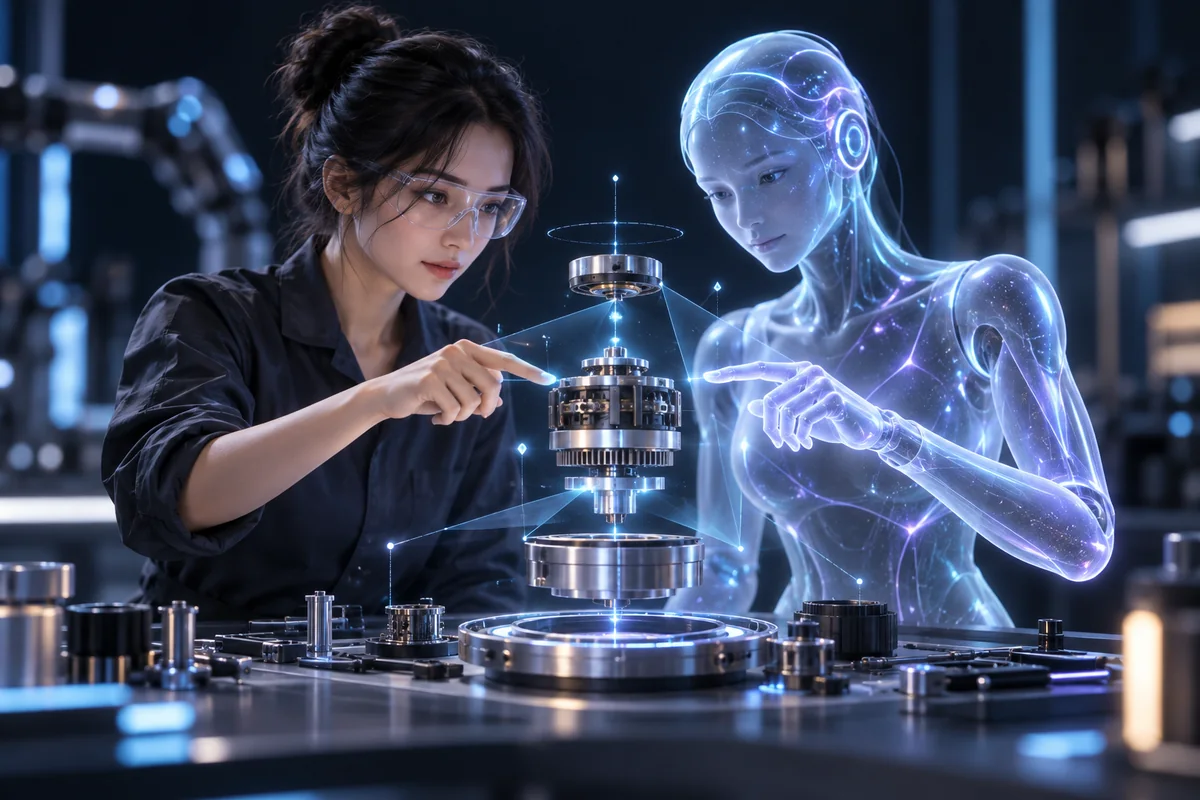
Embodied AI collaborators and hybrid intelligence
Our first priority is investigating spatially present AI partners in technical XR simulations: agents that can demonstrate procedures, co-manipulate objects, observe behavior, and adapt during a shared task.
We study collaborative agency, shared spatial attention, and mutual intelligibility: how a person and an AI partner make their intentions and actions understandable to each other.
Evaluation focus: collaborative fluency, adaptive co-presence, and distributed knowledge growth.
-
02 · Assessment and adaptation
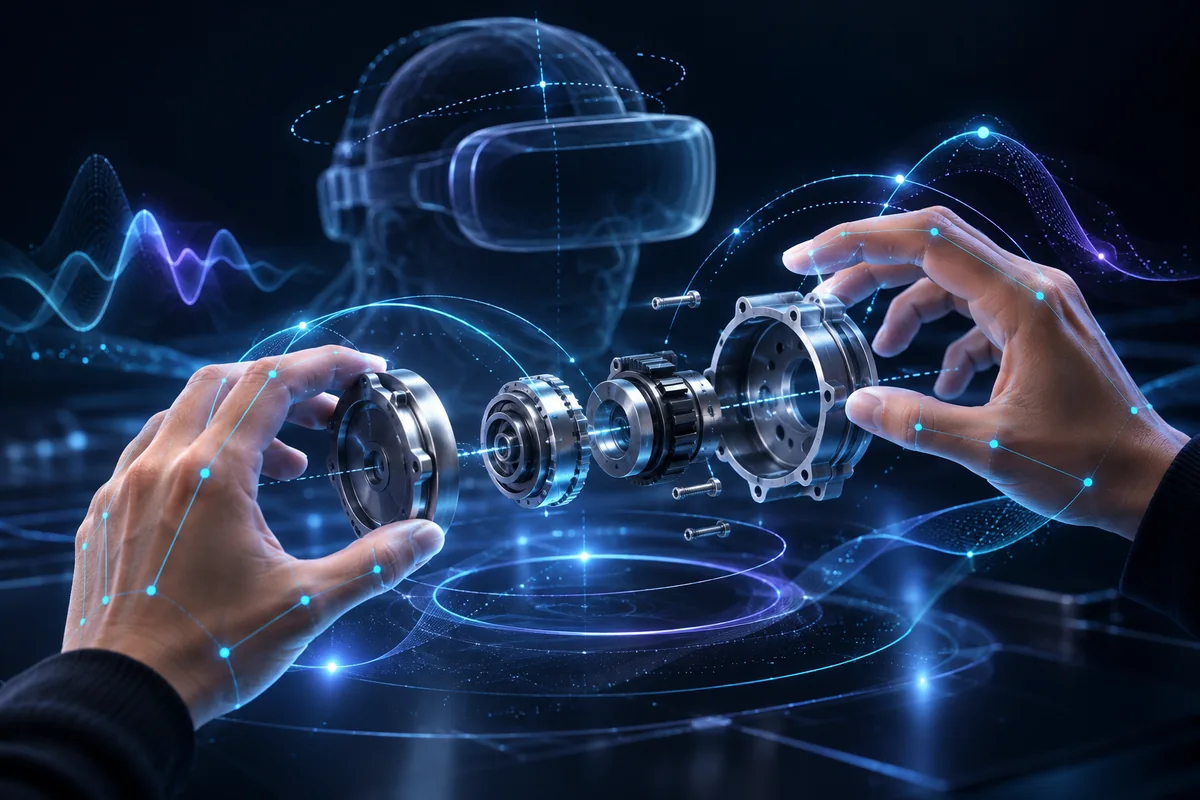
Multimodal real-time skill assessment and adaptive scaffolding
We investigate how hand tracking, head pose, interaction events, timing, and error patterns can inform assessment of procedural expertise, cognitive load, and performance in technical tasks.
Our aim is to connect domain-specific task evidence with scenario adaptation and timely scaffolding. Performance data and expertise from technical partners ground the assessment.
Evaluation focus: procedural skill, error patterns, assessment validity, and the effect of adaptive support.
-
03 · Technical teaming
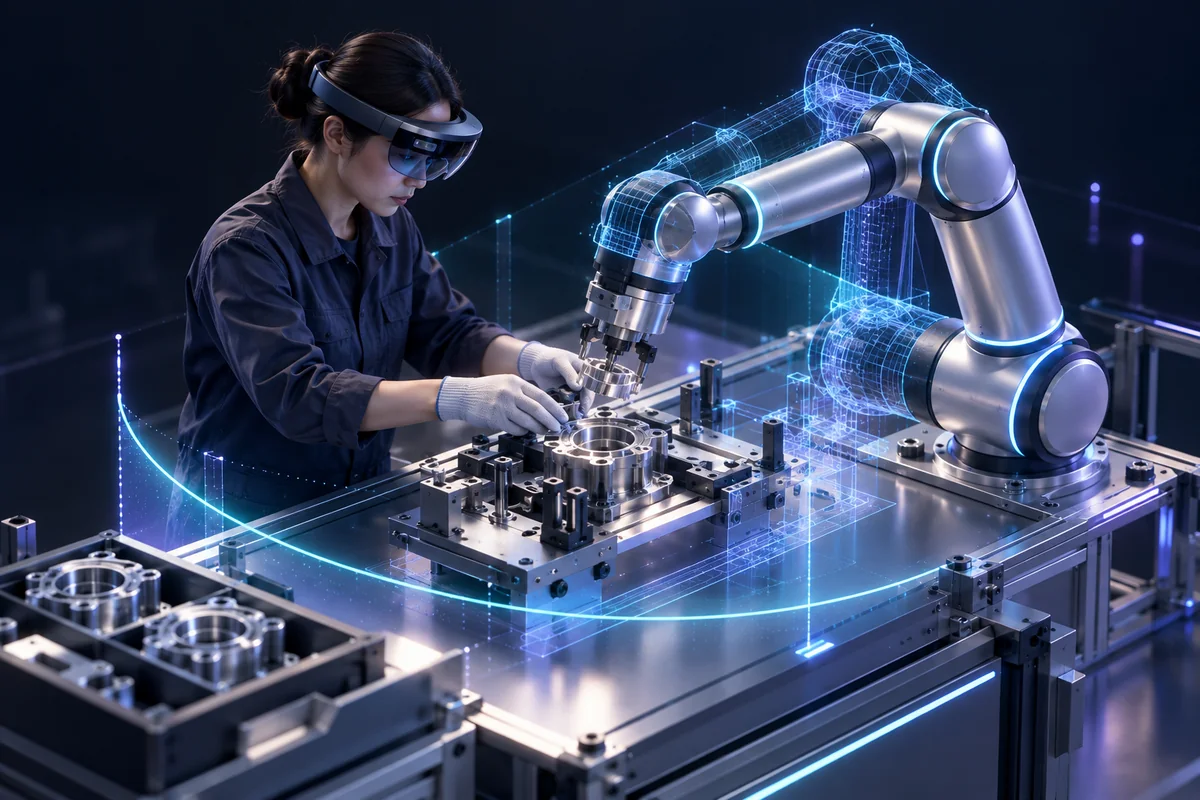
Human–robot and human–AI teaming in digital twins
We design XR training environments for practicing safe collaboration, troubleshooting, exception handling, and system oversight with virtual robots or automated cells.
This direction connects technician pathways with human-centered automation, including explainable feedback and opportunities for people to question or override AI recommendations.
Evaluation focus: skill transfer to technical settings, trust calibration, human oversight, and system-level outcomes.
The framework enables the research
Our web-based XR stack uses Babylon.js or Three.js with WebXR, targeting Meta Quest-class devices. Shared conversation, voice, avatars, and interaction capabilities provide a foundation across the platform family.
Conversational agents, generative 3D tools, and content authoring help us build and iterate. We use generated assets as inputs to interaction-ready, part-aware scenarios; our research contribution centers on spatial collaboration, domain-grounded adaptation, and evidence of performance and transfer.
Build and evaluate with technical partners
We welcome industry subject-matter experts, community college technician faculty, and workforce programs to help define realistic tasks, performance criteria, and studies of transfer. Together we can connect immersive practice with the demands of technical work.
Scholarship and professional contributions


Publications
Peer-reviewed journal articles advancing the science of AI, XR, and human learning.


Grants & Awards
Funded research projects, sponsored grants, and honors recognizing scholarly impact.


Keynote & Invited Talks
Keynote addresses and guest lectures at universities and international venues worldwide.


Presentations
Conference papers and symposia presented at national and international academic meetings.


Consulting
Advisory board roles, media features, and applied projects bridging research and practice.