Einbrain Lab
Advancing XR for Human–AI Collaboration. Engineering immersive systems for embodied, multimodal, and adaptive teaming in advanced technical training.
Our research direction
Embodied collaboration. Adaptive support. Skills that transfer.
We study how people and AI work together inside spatially complex technical environments. Our focus brings together XR interaction, real-time multimodal performance sensing, domain expertise, and rigorous evaluation.
-

01 · Highest priority
Embodied AI collaborators
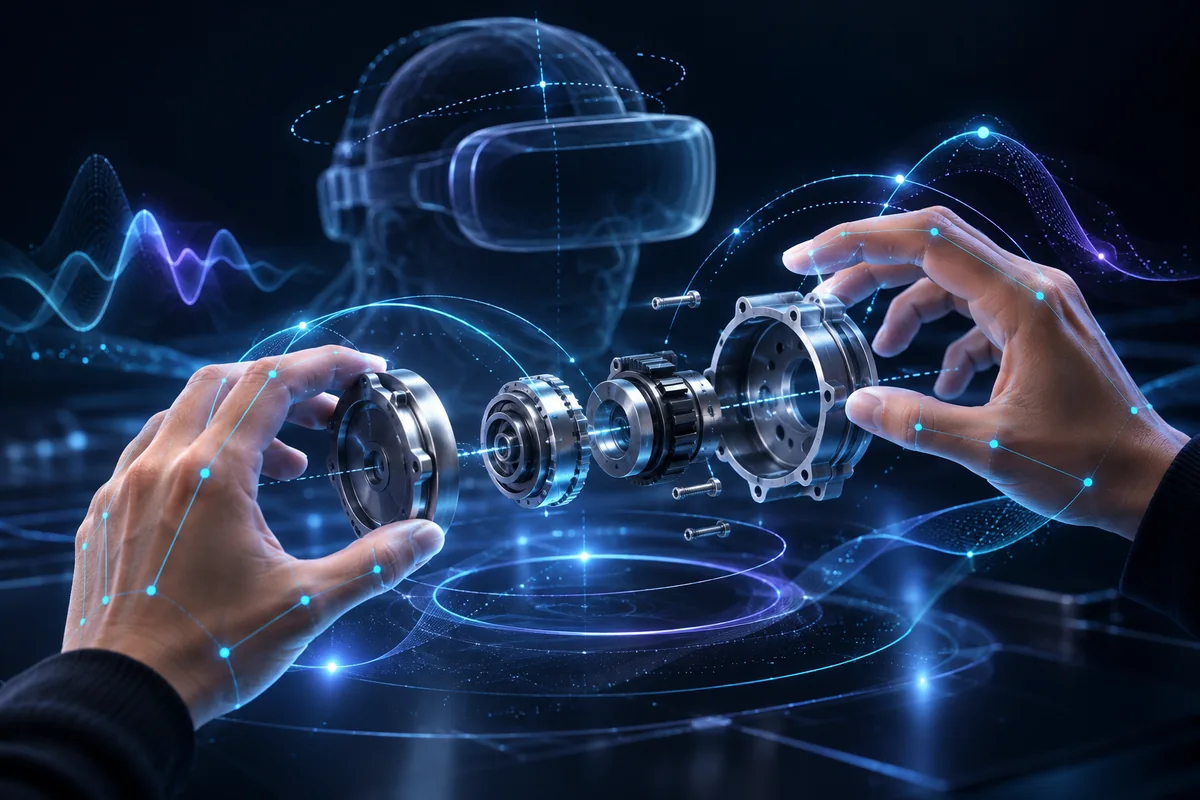
Investigating AI partners that share spatial attention, demonstrate procedures, and work with people and objects in technical XR simulations.
-
02 · Assessment and adaptation
Multimodal skill assessment
Using hand and head tracking, interaction events, timing, and error patterns to investigate procedural expertise and adapt support in real time.
-
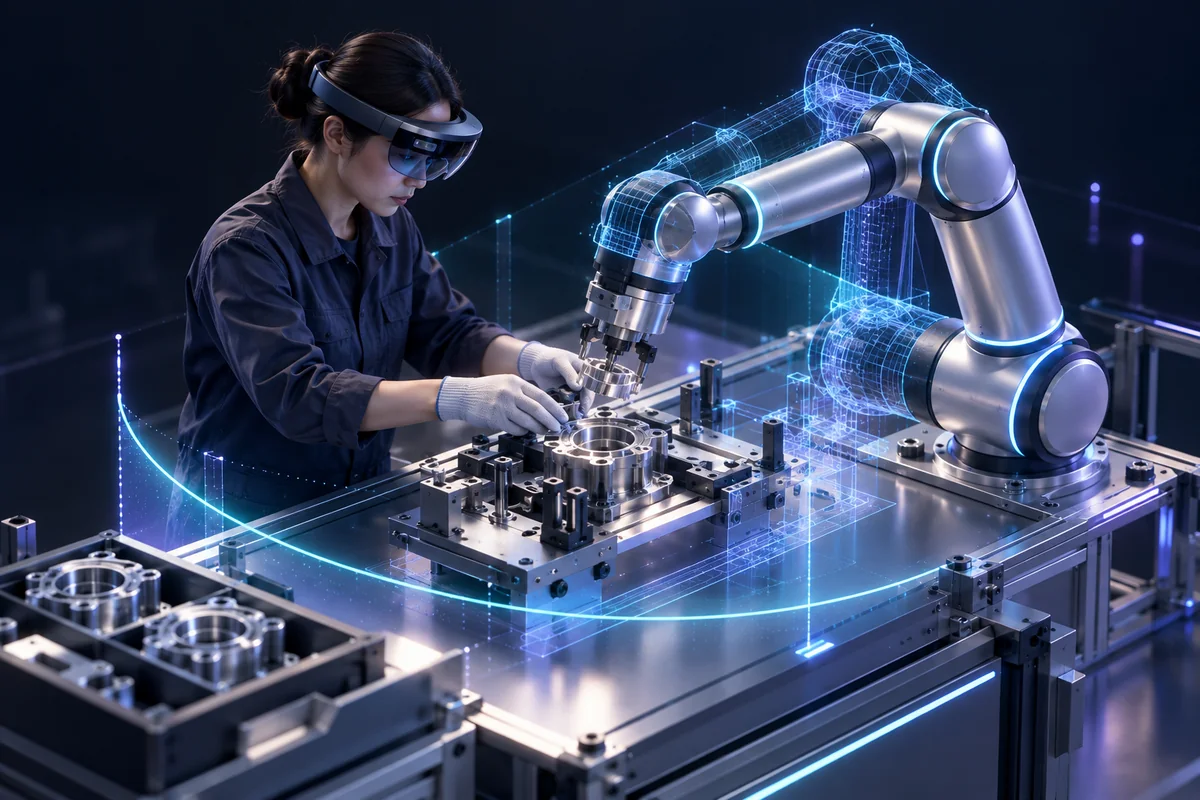
03 · Technical teaming
Human–robot and AI teaming
Designing digital-twin training environments for safe collaboration, troubleshooting, exception handling, and oversight of automated systems.
We evaluate collaborative fluency, adaptive co-presence, skill transfer, and trust calibration. Explore our research priorities and evidence →
Four areas of the Einbrain platform family
A shared framework. Four areas of practice.
Four complementary application areas connect our research with practice: XR-based training and skill development, K-12 education, cybersecurity training, and medical/healthcare practice. Together they support the study of human–AI interaction, domain-grounded performance, and skill transfer.
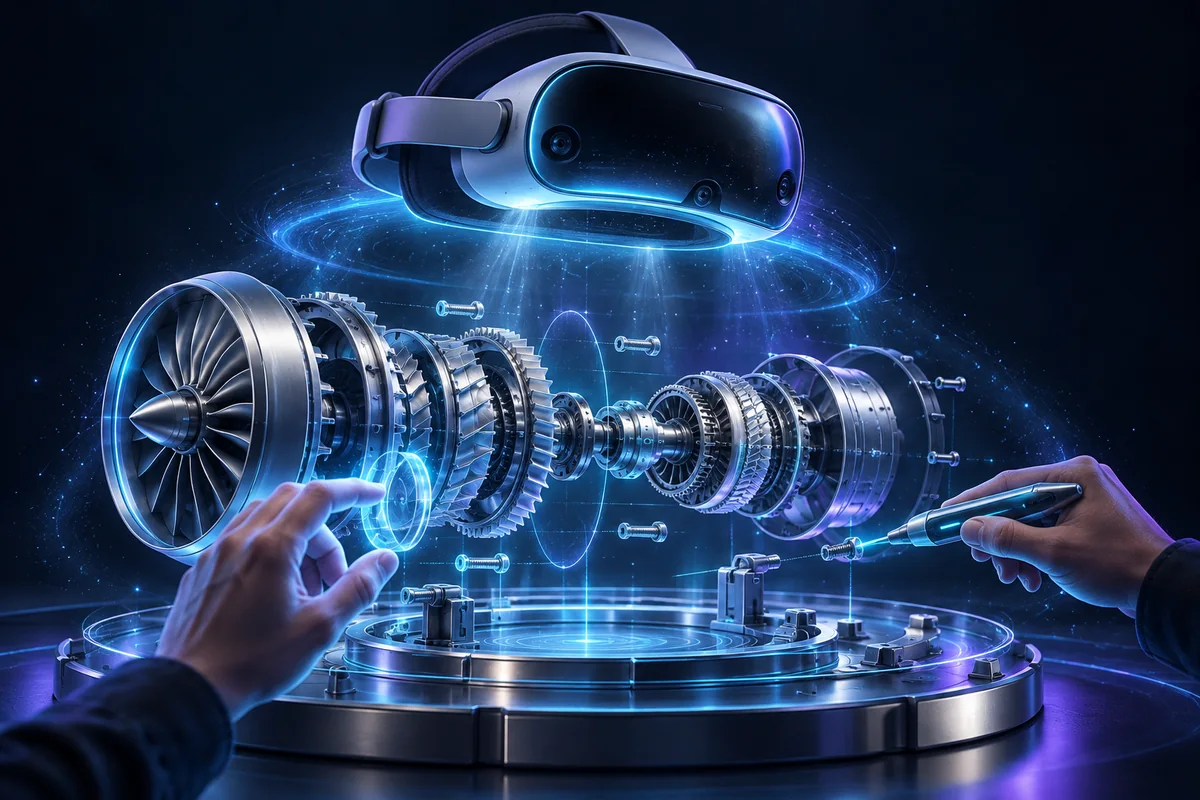
XR Nook
Area 1: XR Training & Skill Development
An XR-based app for training and skill development through immersive experiences and interactions with virtual humans. TechNook supports technical troubleshooting, while MathVerse offers interactive math missions. This area anchors our technical XR research direction.
Explore XR Nook →
VividTA
Area 2: K-12 Education
TeachNook for teaching rehearsal, My VividTA for custom lesson companions, and Rice Korean for conversation practice. These experiences inform how people explain, rehearse, and collaborate with AI partners.
Explore VividTA →
ThreatXR
Area 3: Cybersecurity Training
TrustBench for evaluating AI recommendations and ThreatLens for investigating simulated cybersecurity incidents. Browser and XR experiences provide settings to study trust calibration, verification, and human oversight.
Explore ThreatXR →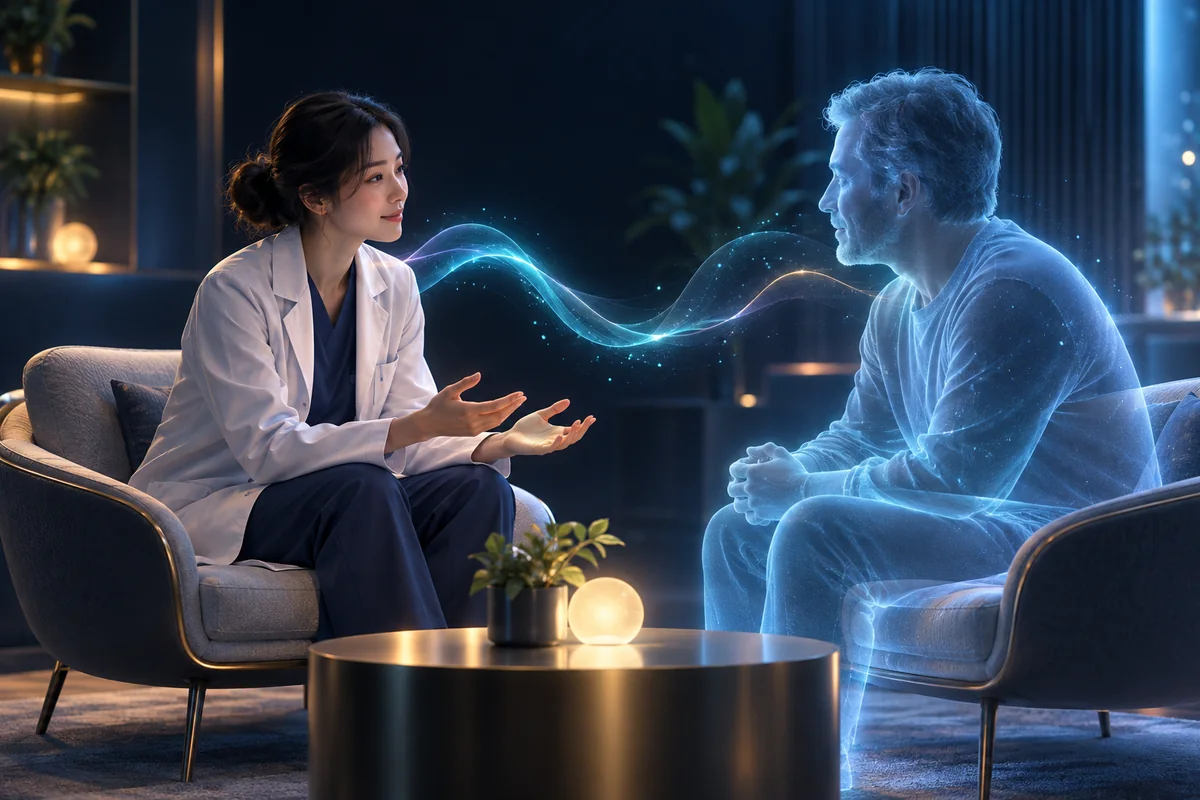
ClinicalNook
Area 4: Medical/Healthcare Practice
MedChat provides virtual patient encounters for practicing difficult news, empathetic communication, and reflection with the SPIKES framework. This area connects domain-specific rehearsal with human-centered performance.
Explore ClinicalNook →Built in the lab
Featured Projects


Latest from the lab